
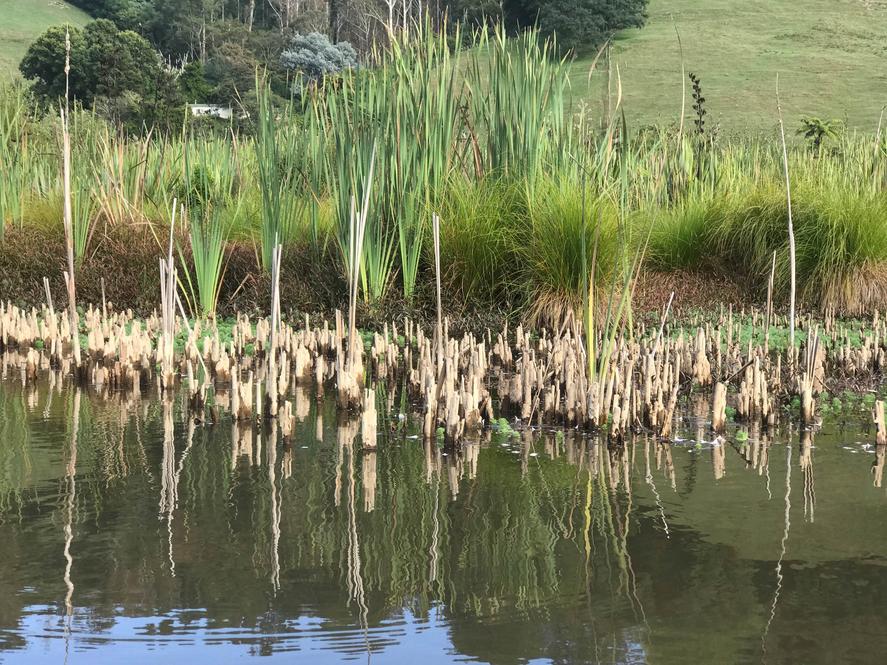
The Resource Management Act 1991(RMA) gives the following interpretation for wetland: ‘includes permanently or intermittently wet areas, shallow water, and land water margins that support a natural ecosystem of plants and animals that are adapted to wet conditions.’
Wetlands in New Zealand have many values and purposes. These vary depending on their location and type but include regulating water flow, reducing nutrients and sediment, and providing a habitat for flora and fauna. They can be also of cultural significance to Māori.
Because of the importance of wetlands, the following regulations were adopted to prevent further loss of New Zealand’s wetlands:
- National Policy Statement for Freshwater Management 2020
- National Environmental Standards for Freshwater 2020
The National Environmental Standards for Freshwater 2020 includes restrictions on some activities in and near wetlands including the taking of water. However, the restrictions don’t apply to all wetlands as defined under the RMA, only to those that are defined as ‘natural inland wetlands’ National Policy Statement for Freshwater Management 2020.
As these standards only apply to natural inland wetlands, this does not include wetlands in the coastal marine area. Other exclusions to the definition of natural inland wetland include deliberately constructed wetlands or those developed around a deliberately constructed water body since it was constructed, geothermal wetlands and those within an area of pasture and comprises more than 50% of exotic pasture species. This is a summary and there are specific conditions that apply to these exclusions. For the full list of natural inland wetland exclusions and conditions, please refer to the National Policy Statement for Freshwater Management 2020.
Sue Clark
Environmental Consultant