
Developing your farm plan.
Integrated farm plans
As a farmer or grower, you must manage your land, livestock, crops, people and mental wellbeing, finances, and the environment. Integrated farm planning is an approach that links these parts of your business together as they are intertwined.

Integrated Farm Plans (IFPs) include all elements of the Freshwater Farm Plan (FWFP) and Farm Environment Plan (FEP), along with additional components such as:
- Animal Health Plan
- Farm Business Plan
- Human Resources
- Biosecurity measures
These plans are not separate documents but rather a comprehensive approach that combines all necessary farm plans and any new regulations that may be introduced. The aim of IFPs is to minimise duplication, offer a structured method for farmers and growers to enhance their practices, and simplify compliance with regulatory requirements. It is important to note that IFPs themselves are not regulatory tools.
Freshwater Farm Plans
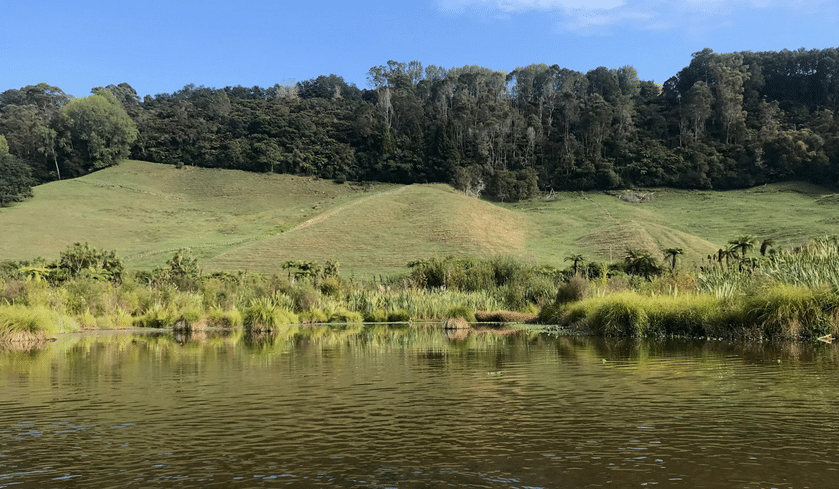
The primary focus of FWFPs is to prioritise the well-being of the whenua (land) and wai (water) when making decisions related to farming activities. By doing so, farmers and growers can effectively manage environmental risks and contribute to the conservation of our natural resources.
Freshwater farm plans are regulated and include a specific process for identifying risks to freshwater by identifying catchment context, activities carried out and inherent vulnerabilities. Where risks to freshwater are identified an action plan is required to avoid, remedy, or mitigate the risks.
Freshwater farm plans will need to be certified and audited by someone who is qualified to do so.

Farm Environment Plans
The farm environment plan serves as a tool for managing environmental risks. It aids farmers and landowners in identifying environmental risks on their farms and outlines a course of action to address and mitigate those risks.
Regional requirements for farm environment plans vary significantly; some regions mandate them while others do not. Additionally, these plans go by many names, such as Whole Farm Plan, Sustainable Milk Plan, and Land and Environment Plan, among others. Currently, the term “Farm Environment Plans” (FEPs) is the most commonly used.
Farm Environment Plans include the elements of a FWFP as well as managing other environmental risks including Greenhouse Gas Emissions, Biodiversity and Waste Management.
Quality Assurance Programs
Assurance systems are vital to New Zealand’s economy and agribusinesses, ensuring adherence to regulations, facilitating international trade, and maintaining the safety of products and operations. They also address critical aspects of farm management such as animal welfare, water quality, and biodiversity. While most programmes cover similar categories, each one is tailored to meet the specific needs and requirements of individual farms.
Examples of Assurance Programmes in Different Sectors:
Industry
Programmes
Beef, sheep, deer, wool, sheep milk
NZFAP
NZFAP Plus
Dairy
Synlait Lead with Pride
Tiaki
Tatua Our Sustainability
Westland Milk Products Farm Excellence
Horticulture