
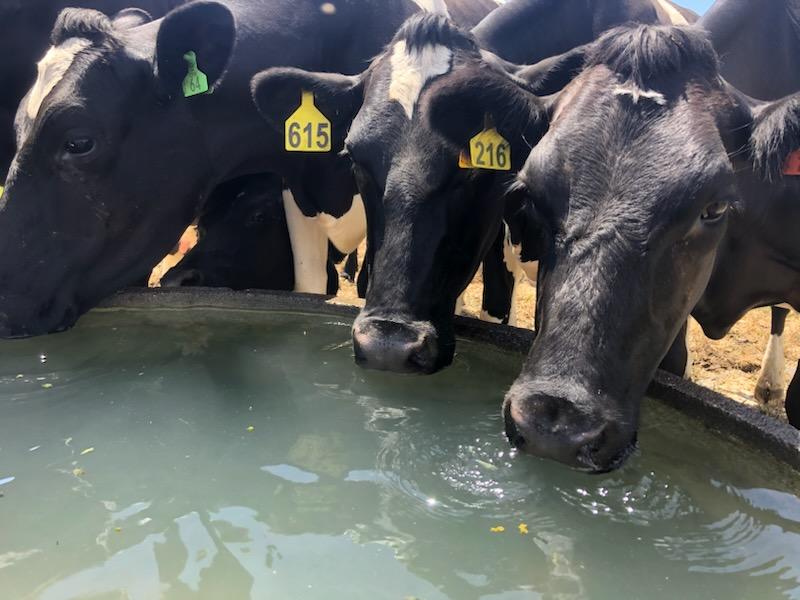
Spring is a busy time on the farm — calving is wrapping up, mating is underway, and there is plenty to manage to keep everything on track.
When is mating time, everything on the farm needs to run smoothly — cows in top condition, bulls ready to go, and plenty of good quality grass in front of them. During this busy time, having enough water available for stock is an important factor to consider and although it might not seem directly linked to breeding, it is a key part of keeping animals healthy and fertile.
With the weather warming up, cows drink more (especially when they are milking or in heat), pastures need irrigation to keep up growth and yards and sheds need washing down more often.
Small leaks or overuse can quickly become a problem. If cows are short on water, they eat less, milk less, and fertility can drop. Bulls also perform better when they’re not heat-stressed or dehydrated. So, it is a good time to make sure that the water systems are up to scratch and:
- Animals always have enough clean drinking water
- Pasture can be irrigated when needed to maintain feed quality
- Waterways are protected from stock access.
Under the Bay of Plenty Regional Natural Resources Plan (RNRP), taking water for stock drinking purposes is generally a permitted activity, meaning it does not require a resource consent — provided certain conditions are met. The water must be used solely for the reasonable needs of animals on the property, and the take must not have a significant adverse effect on the source or other users. This includes avoiding excessive abstraction that could lower stream flows, affect aquatic habitats, or interfere with neighbouring takes.
Farmers are encouraged to monitor use, maintain efficient systems, and ensure the water supply remains sustainable — especially during dry periods when demand is high. From an environmental point of view, it shows that farmers are farming responsibly and protecting a resource that everyone relies on.
Natalia Zefferino
Environmental Consultant